
Reserve Your Trip Check availability.
Book NowOverview
Aspen Outfitting Company is the Aspen area’s only NSCA Certified shooting school, offering clay target shooting and tactical pistol shooting activities for individuals of ALL experience levels.
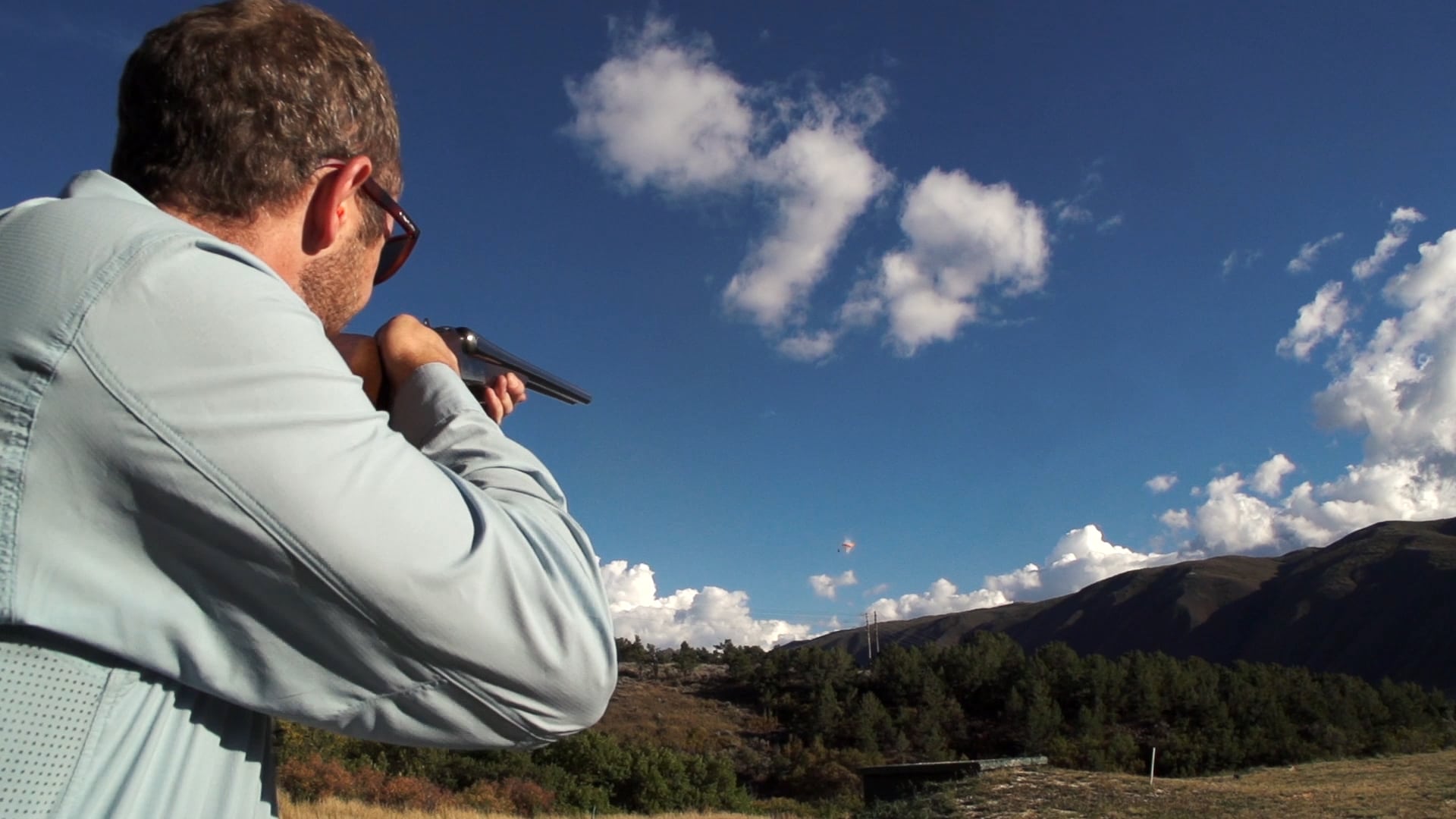
Clay target shooting makes for a great day of focused time to hone your skills, or can be great fun for those competitive families (moms usually win!) Jokingly known as “golf with guns,” clay target shooting is quickly becoming a popular option for our guests.
At Aspen Outfitting Company, we take great pride in introducing hundreds of people to this engaging and entertaining sport each year. Whether you are a complete beginner or an accomplished shooter, our main priorities are always to promote a healthy respect for firearms and to emphasize the practice of safe gun handling at all times.
Photos
Description
A great option for beginners and seasoned shooters alike, our NRA and NSCA certified instructors help you elevate your shooting skills to the next level. Our staff of instructors is available for individual and group outings year-round. Our four-hour guided shooting trips include all transportation to and from our private shooting facility, located just 15 miles from downtown Aspen.
All trips depart from our shop in downtown Aspen at either 8am or 1pm, and transportation is provided. Let us know where you are staying – we are always happy to pick you up from wherever your accommodations might be. Once we arrive at our private facility after a short scenic drive, your shooting instructor will go over the basics of gun safety and handling. We’ll then find the perfect gun to fit you, and your instructor will help coach you on form and technique to have you shooting clays out of the sky in no time!
Supplies Included
– Expert Instructor
– Shotgun and Ammunition
– Safety Equipment
– Locally Sourced Lunch
Preparing for a Clay Target Shooting Trip
Pre-Trip Essentials
1. Complete Your Waiver
When you book any guided experience with us, you will receive a confirmation email with instructions on how to complete Aspen Outfitting Company’s Release of Liability Waiver. Please Complete this waiver BEFORE you show up for your trip. Completing this mandatory waiver prior to your trip will save you time while checking in and maximize your time on the river.
Click here to complete your waiver.
2. Review Your Itinerary
Your booking confirmation email will include the date, time, number of participants and departure location for your trip. Please make sure that the information on your reservation is correct. For questions regarding our cancellation policy and booking alterations, please visit our FAQ page.
***PLEASE NOTE - All trips depart from our Woody Creek Shop unless alternate arrangements have been made at the time of booking.
Primary Departure Point
Woody Creek Shop (WC)
2858 Upper River Rd.,
Woody Creek, CO 81656
(Right next to the Woody Creek Tavern)
Aspen Departure (Special Arrangements must be made)
St. Regis Aspen Shop (SRA)
315 E Dean St.
Aspen, CO 81611
Trip Itinerary
1. Check In: On the day of your shooting trip, please arrive 15 minutes prior to your departure location with all of your paperwork completed. After check-in, our shopstaff will introduce you to your shooting instructor(s).
If you’re departing from our Woody Creek Shop, we have an espresso bar, fresh donuts, cold drinks and snacks to help you fuel up before hitting the water.
2. Depart from the Shop: After check in, you’ll head out to the range! We’re lucky to have access to a full trap and skeet range less than half an hour from our shops. Guests who have their own transportation often follow the instructor to the range in their own vehicle, but transportation from our shop to the range is always available to guests without a vehicle.
3. Safety Review: Safety is our number one priority when out on the range, so your NSCA instructor will go over range rules, safety protocols and how with ALL of our guests, regardless of shooting experience.
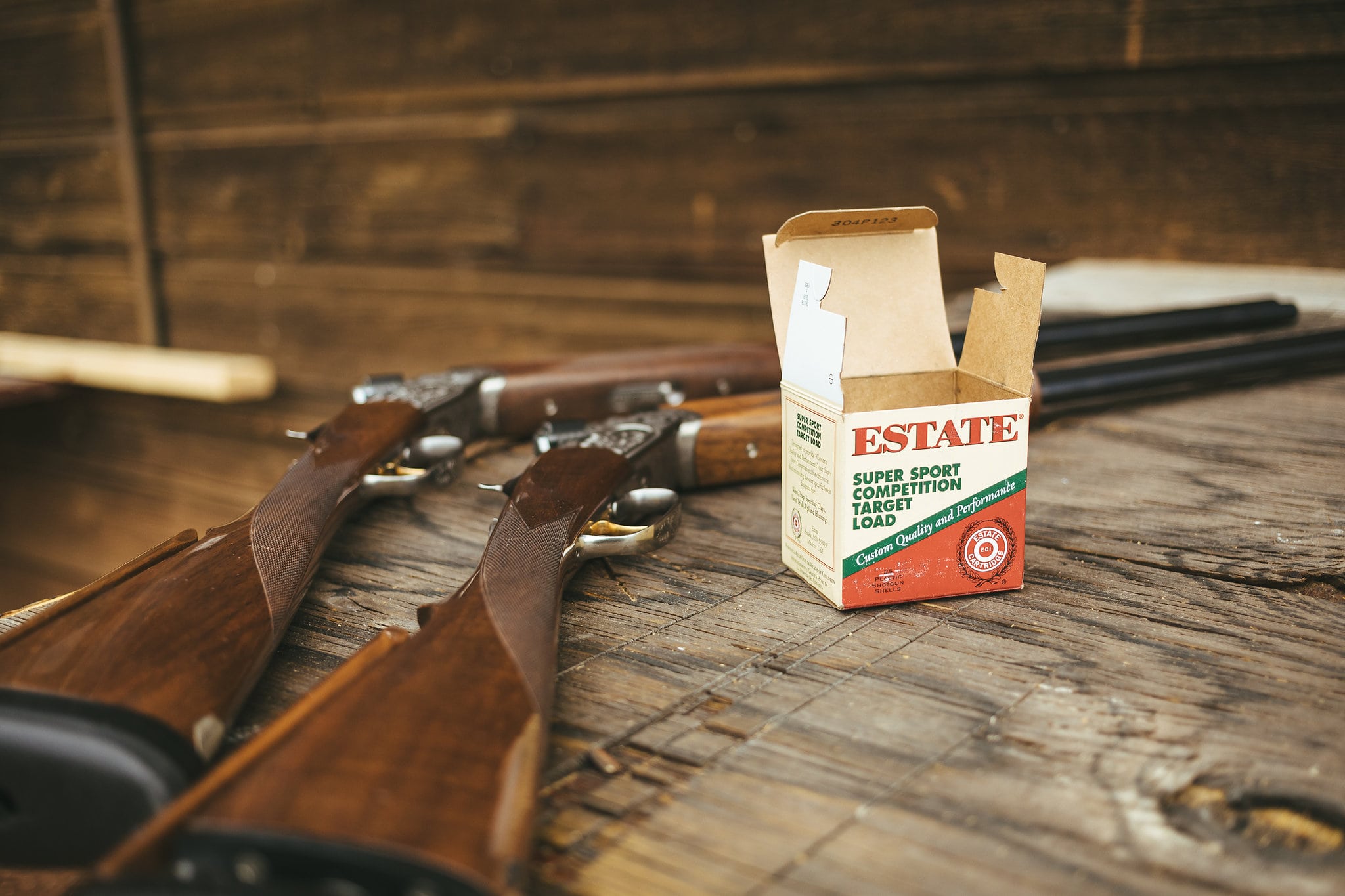
4. Get Fitted To a Gun: Our instructors will have you shoot at a patterning plate to determine the appropriate firearm for you. We have side by side, over under and auto loaders/semi auto shotguns from 12 gauge to 28 gauge? ….
5. Start Shooting: The best way to learn is through experience, so once you’ve reviewed safety and have a gun that fits, it’s time to break some clays. Throughout the trip your instructor will offer personalized instruction, help build your skills and put them to the test!
Have Fun and break some clays!
6. Shoot Your Final Round: You won’t want to leave, but the fun has to end at some point! Our standard Half Day Shooting Trip is four hours door to door. That means that roughly half an hour prior to your scheduled return time, you’ll take that final group photo, pick up shells and break the guns down. This ensures that you and your instructor make it back to the shop in a timely manner. As with many services in the hospitality industry, a gratuity for your guide is customary and always appreciated. The amount is at your discretion (we generally see a gratuity of 20% or more if the trip was extra special!)
Gear Checklist
Clay Target Shooting is a blast, but having the appropriate gear can turn a good experience on the range into a great one. We offer clay target shooting year round, so adjusting layers and equipment accordingly is essential.
Many products that we recommend can be purchased in our online store prior to your trip. Just select “Pick up in store” at check out, and we’ll have your order ready for you on the day of your outing.
What we provide:
- Shotguns
- Ammunition
- Clay Targets
- Hearing Protection
- Eye Protection
- Water
- Friendly, fun and knowledgeable Shooting Instructor!
Although we provide everything that you need to shoot, bringing along the following items will help you focus on shooting instead of staying comfortable.
Highly Recommended Items for Clay Target Shooting
The Colorado sun is intense, a baseball cap or sunhat will keep you protected from harmful UV rays, and shade your eyes to allow for better target acquisition while shooting. Click here to shop all of our hats!
We do provide clear shooting glasses for eye protection while on the range, but having your own pair of sunglasses will improve your comfort on sunny days and double as mandatory eye protection while at the range. If you don't have sunglasses or want to upgrade your current pair, click here to shop awesome lenses like the Smith Guide's Choice!
Protect your skin – You can burn in a matter of minutes when you’re up here in the mountains! We always recommend using high SPF sunscreen when getting out on the water. Click here to shop the greatest sunscreen ever- Supergoop!
Sunscreen is always a must, but wearing a breathable UPF rated layer makes protecting yourself from the sun and staying cool even easier.
Our favorite(s):
- Rain Jacket
All of our trips are rain or shine, so you should always come prepared for rain. A good rain jacket will keep you out on the range if a summer storm rolls through.
Our favorite(s):
- Closed Toe Shoes
A pair of sturdy, closed toe shoes will ensure your comfort, stability and safety while out on the range. We highly recommend against wearing flip flops and sandals.